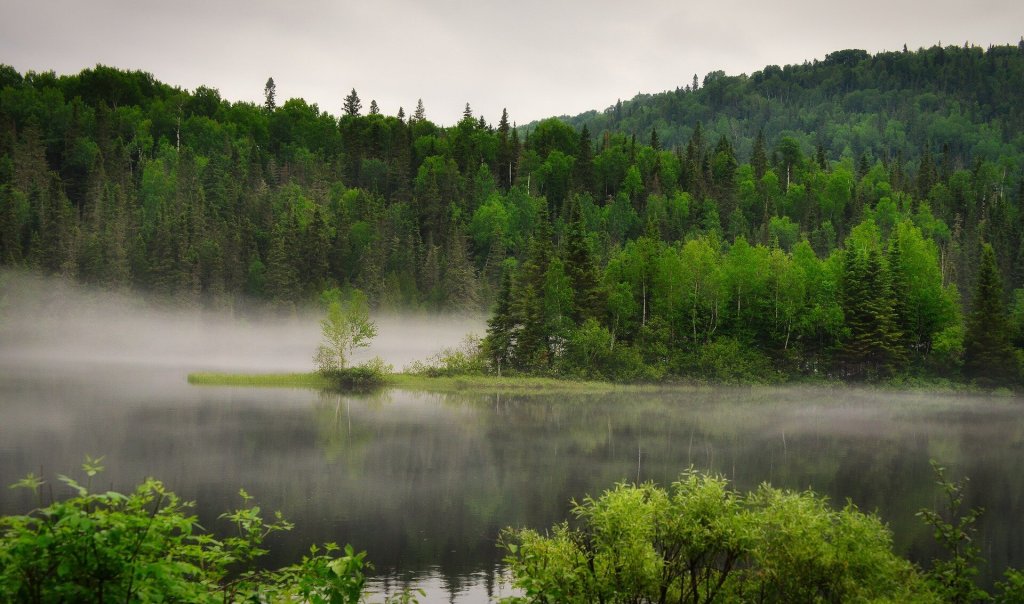
There’s a place on Earth where trees grow tall as towers, their branches caressing the sky like fingers.
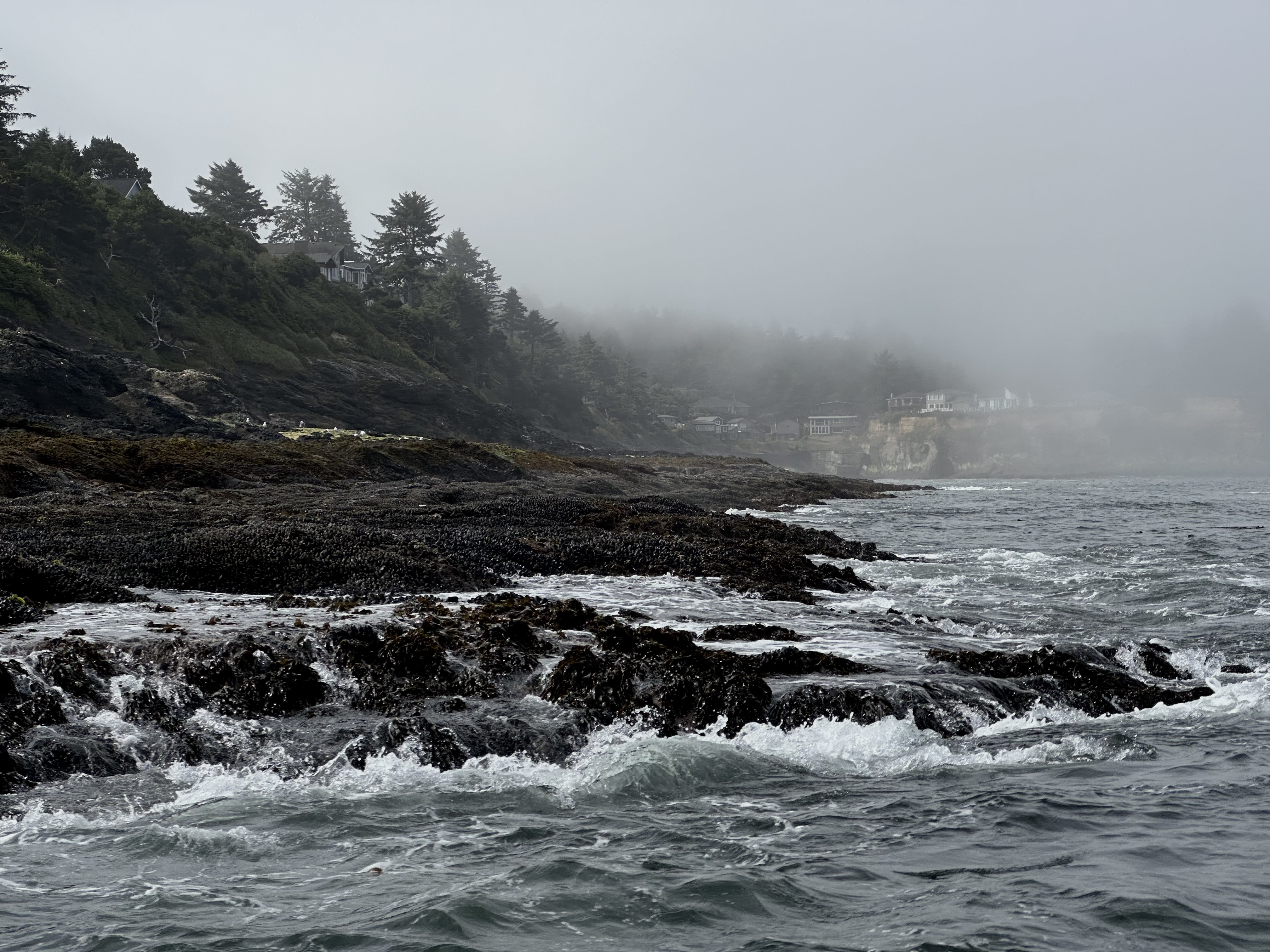
Beneath this verdant canopy, ocean fog drifts between trunks, saturating everything in a cool, dreamlike glaze. Moss is ubiquitous, covering trunks and boulders the size of cars in velvet green coats, while ferns blanket the ground, sheltering beneath the shade of the giants around them. Within this rich ecosystem, animals are as abundant as plants. Mother bears with cubs lumber around looking for food. Otters paddle and twirl through mountain rivers. And salmon—colorful and essential to this region’s wellbeing—splash hundreds of miles upstream to spawn.

Salmon are a keystone species in the lush landscapes of the Pacific Northwest. While most aquatic animals live in saltwater or freshwater environments, salmon can survive in both. Every year, they travel from their ocean homes to streams, rivers, and lakes to lay eggs, passing through estuaries along the way. Salmon depend on these brackish halfway points; within them, their bodies undergo physiological changes that prepare them for their freshwater forays.
As the migrating salmon move inland, bears, eagles, and humans feast on them, leaving their fishy carcasses within the dense undergrowth after eating their fill. Over time, the volume of briny, decomposing bodies introduces substantial amounts of nitrogen to these freshwater ecosystems, thus nourishing not only predators, but plants, too.

The salmon that make it to the spawning grounds lay thousands of eggs, only to die shortly after in a final act of poetic significance—their life’s purpose now complete.
Anthropic Narcissism
While salmon are crucially important to the environment, their population has plummeted in recent centuries.
As settlers replaced Indigenous peoples, harvest goals shifted from sustenance to profit, with little regard for population integrity. Grazing space became another priority, since settlers also brought herds of cattle with them. Thus, estuaries—some of the most productive ecosystems on the planet—became obstacles, and people got to work dredging, damming, and otherwise eliminating them. Without these vital pathways and rest stops, salmon could no longer migrate, nor feed anyone.
Scientists estimate that in the past, between sixteen to twenty million salmon migrated inland across the Pacific Northwest each year; now, that number is around one million.
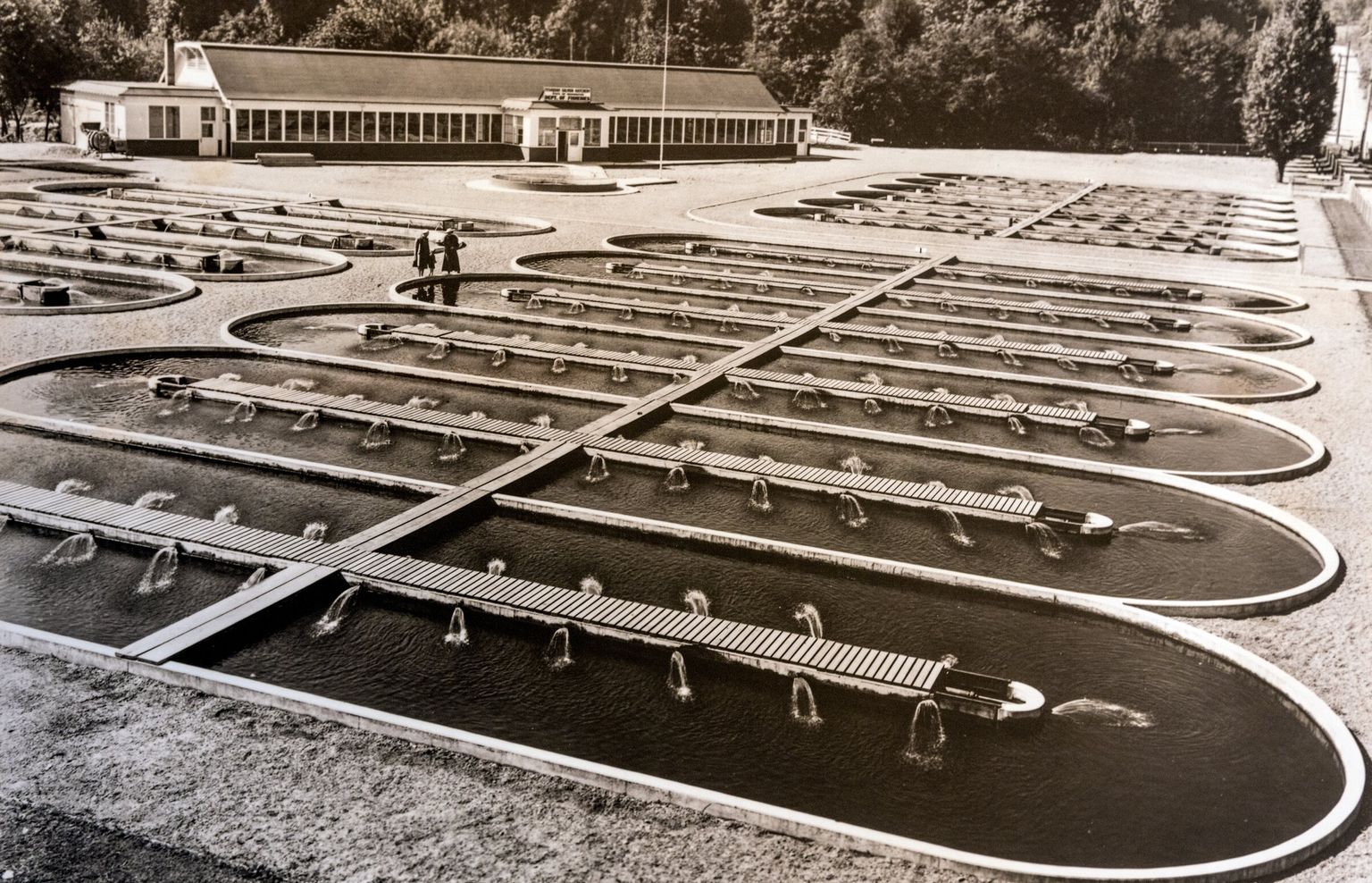
Once the ecological role of salmon and was understood, conservation efforts like the Endangered Species Act were implemented. Today, the ESA protects twenty-eight Evolutionary Significant Units of Pacific Northwest salmon and steelhead, providing support for recovery plans, hatchery programs, and habitat restoration efforts.
Unfortunately, both Trump administrations have been not just unfriendly to salmon (and myriad other endangered species), but outright hostile. From abandoning climate pledges to rolling back protections on clean air and water, officials are wrecking the planet with a degree of tenacity only possible thanks to their incessant misinformation campaigns. The ESA, in particular, has sustained repeated attacks, opening the door to renewed habitat destruction and population endangerment. While a federal court struck down the Administration’s most recent assault on the ESA, subsequent attacks will doubtlessly follow, and their repercussions will extend far beyond salmon.
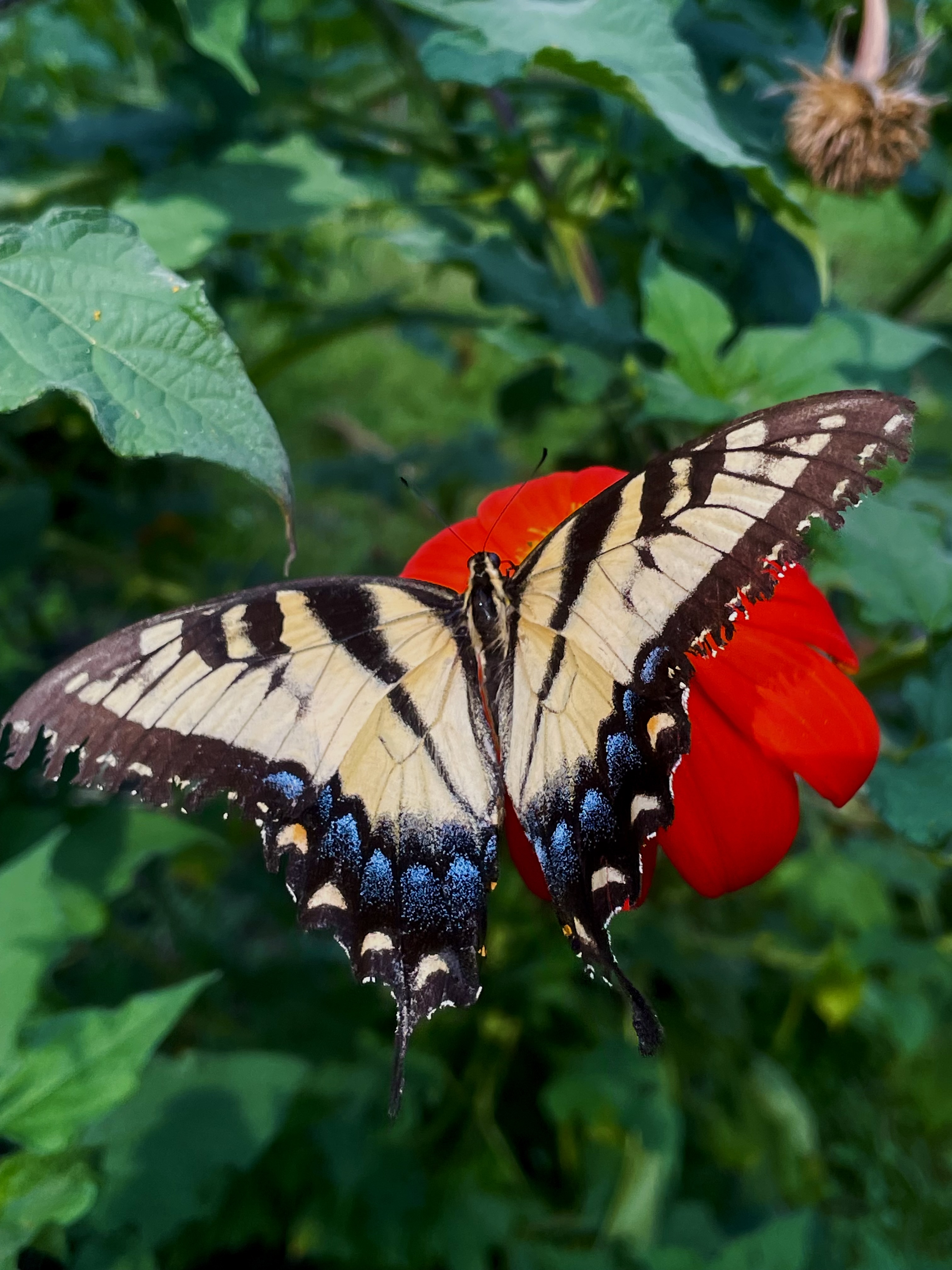
From monarch butterflies to California spotted owls and Florida panthers, the anthropic narcissism that defines our times impacts all threatened and endangered species, as well as the countless others that depend on them.
Rage and Gratitude
When reading these sorts of stories, itʻs hard not to feel rage.
Rage at the hubris of the rich, content to sleep in beds of money while they destroy the planet. At the arrogance of settlers, who thought they understood lands better than the Indigenous peoples who’d resided on them for millennia. And rage at ourselves—at each of us, in our way—for our complicity in ecocide.
But while we should feel rage over salmon deaths, over gray whale starvation and golf courses, over the pollution of sacred lakes and rivers and so much more, anger isn’t enough. We need something more powerful than rage—a paradigm shift in our collective thinking that can help us reharmonize with the natural world. For help, it’s worth turning to the work of botanist and author Robin Wall Kimmerer.
In her book Braiding Sweetgrass, Kimmerer introduces numerous plants, highlighting their ecological benefits alongside their roles in Native cultures. But she also argues that seeing plants solely as oxygen-producing climate regulators hampers our ability to fully appreciate them. While grasses, shrubs, trees, mosses, and non-vascular varieties, such as fungi and lichens, are essential to the environment, they’re also complex organisms deserving of our respect.

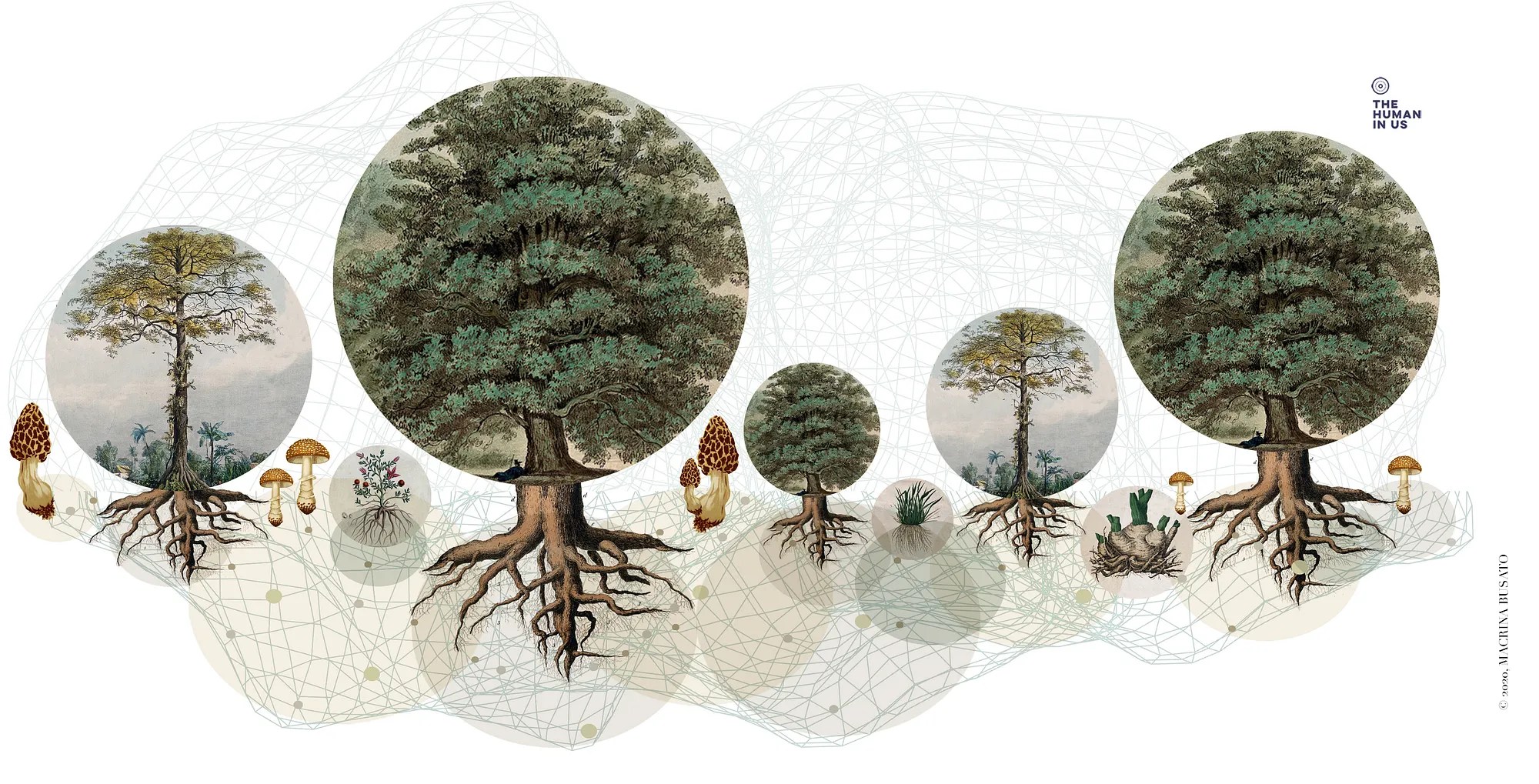
Fruit trees, to take an example from the book, communicate with one another via pheromones, debating when to produce fruit and then doing so, collectively, once consensus is reached. Besides overwhelming would-be-fruit-eaters, this release of airborne volatile organic chemicals (VOCs) allows for the discussion of other matters, such as pest invasions and when nearby trees should activate their defense systems. Meanwhile, beneath the earth, mycorrhizal fungi networks connect root systems, allowing trees to send direct signals about diseases, droughts, and other threats. By using this underground web, established trees can even share nutrients like carbon, helping others—particularly younger saplings—grow strong.
From cedar trees in the Pacific Northwest to the mangroves of the Everglades, the trees around us aren’t isolated organisms—they’re part of a vast, interdependent network of shared abundance.
Then there are agricultural plants, which humanity has depended on for sustenance for twelve thousand years. Today, corn, rice, wheat, and similar plants cover one-tenth of the earth, supplying the staples that stock grocery store shelves around the world. Coated in plastic and disposed of, if they don’t sell, our global supply system makes it easy to take the food we eat for granted, while having us believe that we’ve domesticated this critically important group of species. But as we’ve propagated, irrigated, fertilized, weeded, and pruned on their behalf for millennia, it may be more apt to say that they’ve domesticated us.
And lichens, some of the simplest forms of life, in many ways, aren’t one organism, but two. Each lichen is comprised of a fungus and an alga—two beings that work alongside each other for survival. As the fungus “farms” the sugars produced by the alga, some scientists say that fungi were the first organisms to invent agriculture.
Notably, efforts to recreate lichen in stable laboratory conditions are generally unsuccessful. Only when conditions become severe do the alga and fungus unite, individualism switching to reciprocity.
Studying and observing the natural world allows us to deepen our appreciation for it, growing our relationship from textbook-level to gratitude. As Kimmerer explains, gratitude is essential because you don’t want to harm something you care about: You want to protect it.
Collective Reciprocity
Like the estuaries that salmon pass through, gratitude is a stop along the way to our final destination: reciprocity.
This framework—of recognizing the bounty the natural world provides and showering it with gifts, in return—is another core theme of Kimmerer’s work. But reciprocity comes with a set of obligations, both on the individual and collective levels.
As an individual, reciprocity means using the tools and resources at your disposal to give back. If you’re a writer, that might mean using your voice to shed light on topics ranging from ecological issues to enshittification. If you’re an educator, it may involve fostering the innate care and compassion of your students. And if you’re a member of the working class, trying desperately to make ends meet while being one paycheck away from disaster, reciprocity can be as simple as recognition: acknowledging what nature provides and giving thanks to it, in return.
But individual actions, while meaningful, aren’t enough.
Collectively, we’ve chosen to distance ourselves from reciprocity, choosing instead to embrace its ugly opposite: exploitation. Modern business schools teach students that our planet offers a bounty, yes—but one that translates to infinite economic growth. Corporations are not just permitted, but expected to rake in profits while laying waste to the planet. And our politicians care little for fish, plants, or constituents, focusing their attention, instead, on lobbyists and their reelections. As a species, we’ve tacked price tags onto everything, and the commons exist—be they forests, foreign fossil fuels, or whales—for extraction.

Thus, returning to a place of gratitude and reciprocity begins with us viewing the world with less arrogance. Human ingenuity is remarkable, but we can’t allow it to morph into hubris, especially when thereʻs so much to learn from those around us.
We may see fish as simple, but migratory species like salmon highlight the value of long-term, multi-generational thinking: After journeying for hundreds of miles, they trade their lives so that the next generation can survive. Trees might not have larynxes, but they communicate nonetheless, demonstrating how those who thrive have an obligation to help others (including other species) do the same. And lichens show us that when conditions worsen, cooperating with one another isn’t optional, but necessary.
Of course, nature can appear cruel, and at times, cutthroat. But intense competition is usually a feature of young, developing ecosystems—not established ones with layers of checks and balances. A forest perennially at war with itself couldn’t survive; thus, scarcity and hoarding aren’t features of mature ecosystems.
Abundance, on the other hand, is.

A cutthroat economic system that devours and hoards is similarly unsustainable—for humans and the planet. Like a young forest, we should see the exploitation and competition of our times as features to shed on our path to maturity.
Fighting for Abundance
Alarm bells should be ringing.
Instead of fighting to preserve the climate and protect the species we cohabitate with, our government is driving us ever closer to the precipice. As we careen towards the edge, the effects of this recklessness are becoming increasingly apparent.
Atlanta, where I live, recently endured a month-long drought. The rain that finally arrived was much-needed but, because of how dry the ground was, also triggered flood warnings across the region. Scorching heat has become common throughout the cooler months, and the increasingly powerful tropical storms that spin up the Atlantic coast have made conditions wetter, and thus more mosquito-ridden. Winters now feature warmer temperatures on average but are interspersed with sudden, polar vortexes that kill many of the Southern plants and animals unaccustomed to them.
And, hard-to-believe as it may be, these changes pale in comparison to those felt in the Global South.
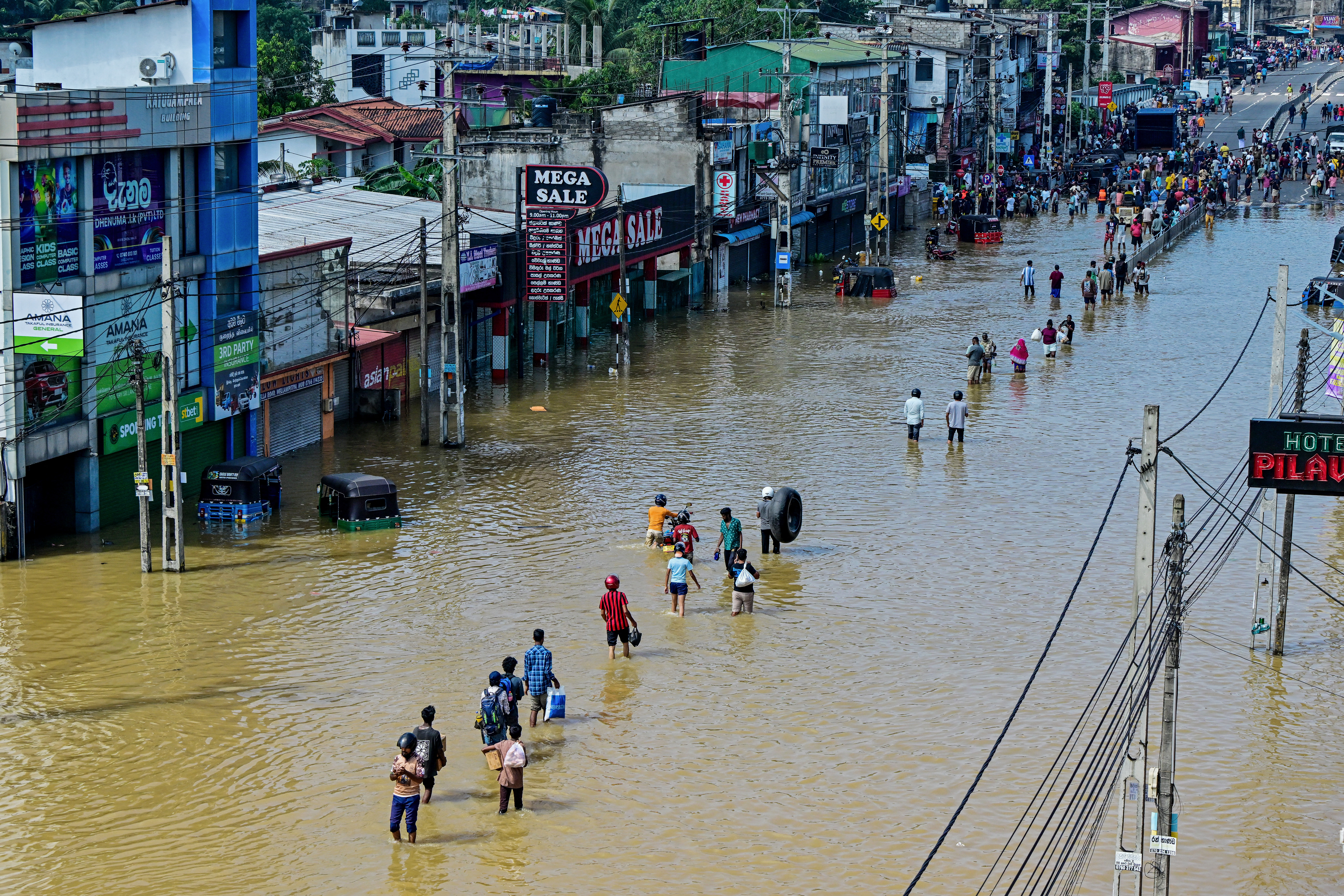
Fortunately, nature is resilient, and in the years ahead, humans will need to be too.
The lesson from the decimation of the Pacific Northwest salmon should be that no organism exists in isolation. We rely on one another, and when one species suffers, we all do. As our short-sightedness and greed exacerbate the climate catastrophe, the plants and animals around us will need our help more than ever. And, contrary to what the arrogant among us would have us believe, we will need theirs.
To survive, we need to return to practicing gratitude and reciprocity, as well as tear back the suffocating overgrowth of our current system—however daunting confronting the entrenched forces of money and power may be. Just as we now gaze back at institutions like slavery and wonder, what were people thinking, there will come a time when subsequent generations do the same—when our cruel, exploitative system is confined to textbooks, to be studied, with amazement, by people incredulous that their ancestors lived in a world that prioritized a fiction like money above their planet’s tangible wellbeing.
As we build new institutions that work to preserve life, we’ll mature from a group of competing saplings into a forest, transforming our world from one of scarcity to abundance.